
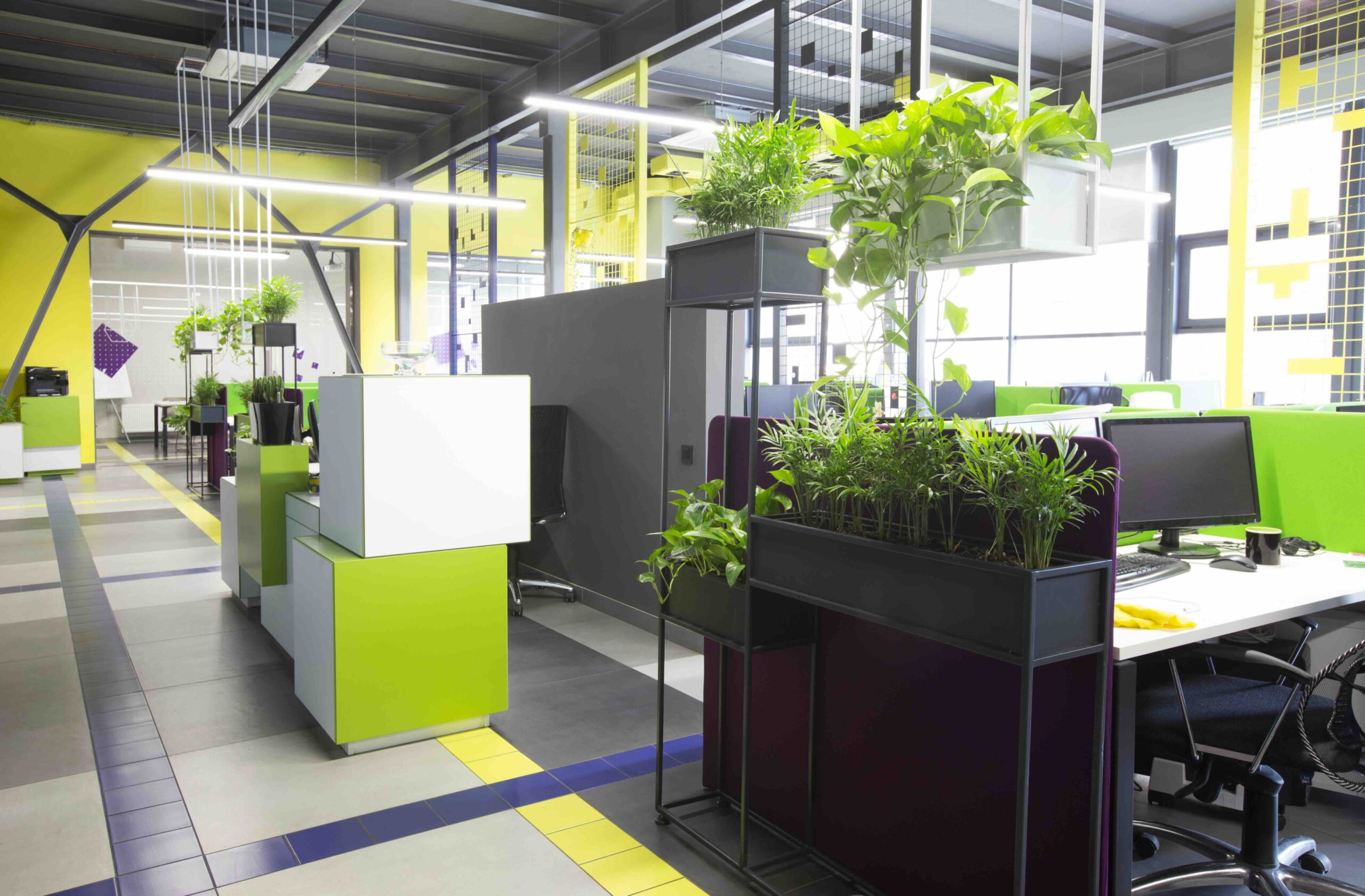
Sustainable design is an important part of modern architecture. However, open-plan green buildings often suffer from poor acoustic performance. Stripping out traditional suspended ceilings and thick carpets creates loud, echoing environments. This echo distracts busy employees and lowers overall workplace productivity. This is why acoustic standards exist to mitigate this problem.
The Role of a Green Acoustic Rating System
Green standards like LEED and WELL heavily reward designs that prioritize indoor environmental quality. Specifically, both programs offer explicit credits for acoustic comfort and speech privacy. Sound masking easily achieves this by adding a gentle, engineered background sound to the area. This ambient sound safely masks distracting human speech and sudden ambient noise.
Case Study: Green Design at CH2
Soundmask has operated at the cutting edge of sustainable commercial design for over twenty years. In 2005, the progressive City of Melbourne constructed Council House 2 (CH2). It immediately claimed the prestigious title of the “world’s greenest office.”
The innovative building lacked suspended ceilings to maximize natural thermal efficiency. However, this architectural design made the internal workspace far too quiet. Minor distractions quickly multiplied across the open floors. Soundmask solved this dilemma by installing an advanced under-floor transducer system. This happened before workers laid the actual floor structure. This pioneering system delivered exceptional speech confidentiality for the staff. In 2010, the iconic CH2 safely secured a formal 6 Star Green Star – As Built rating.
Case study: Shell Australia
More recently, energy giant Shell Australia refurbished its multi-level corporate head office in Brisbane. The company wanted to achieve a 5-star environmental rating for the new fit-out.
The architectural design featured highly complex zones and four entirely different ceiling surfaces. Shell required precise background sound levels across every single space. Along with our installation partners, we created a tailored, multi-zone system. We even successfully redeployed their pre-existing Soundmask equipment. This clever reuse drastically minimized client costs. It also significantly lowered their overall carbon footprint. Ultimately, Shell comfortably met its environmental targets while fully protecting worker acoustic comfort.
Meeting International Frameworks
Are you currently targeting official USGBC certification? The standard LEED framework awards specific, valuable credits for indoor environmental quality and acoustic performance. Similarly, the rigorous WELL Building Standard focuses heavily on occupant health. It features an entire comprehensive “Sound” concept section.
Sound masking represents a highly reliable way to tick these strict building boxes. It transforms distracting open spaces into highly productive, eco-friendly workplaces. Contact our team today to optimize your next sustainable building project.