
Part 3 of our series based on our paper “User Comfort in Unexpected Acoustic Environments”. This is the first of three case studies.
High-impact, intermittent sounds are among the hardest acoustic problems to solve. They also cause a startle response, which over time can be damaging to physical and mental health. In a recent Australian inquiry into aircraft noise, community members described sounds like these as causing palpitations, panic and stress, and even “an assault on the mental and physical health and well-being”.
The site
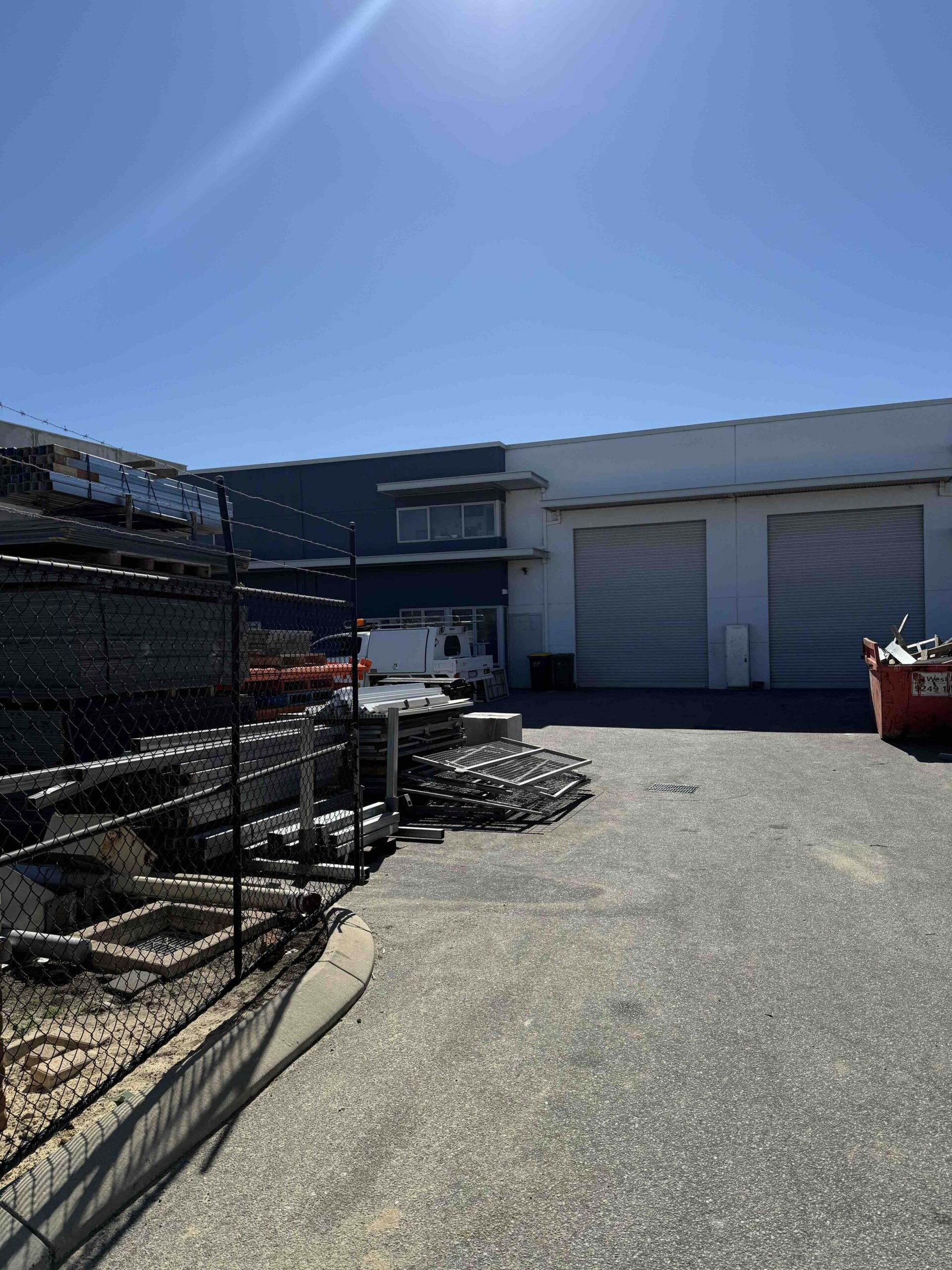
IREAUS Construction’s head office is in an industrial precinct in outer Perth, about 25 metres from a main road. That means constant traffic noise, averaging around 45dBA, which created an underlying stress level.
Directly opposite is a scrap metal facility with a large lifting magnet. It generates frequent but erratic “bangs” and “crashes” as scrap of varying sizes is dropped, with sudden peaks of around 70dBA. These were the reason the office considered sound masking. Occupants noticed disrupted concentration, an increased startle response, and less consistent phone calls and office tasks.
Two floors, two experiences
Upstairs, acoustic tiles absorbed some of the sound. Downstairs, the reflective concrete ceiling increased the perceived sharpness and reverberation. So although both offices were in the same building, and theoretically needed the same masking levels, the experience in each space was different.
The solution
We installed a zoned sound masking system to reduce the contrast between background sound and the scrap metal drops, improve day-to-day communication and reduce overall stress from noise.
- Upstairs: a lower output of around 42dBA.
- Downstairs: around 44dBA, with more careful tuning of frequency balance because of the reflective surfaces, using an exposed ceiling speaker.
We tuned the system in the field, combining listening and measurement during normal site operation. The aim was to reduce the perceived impact of the drops without over-masking or introducing distraction, and to achieve a consistent background sound. We paid particular attention to mid-frequency content affecting speech, and to high-frequency control downstairs. Only once the system was performing as intended did we take SPL measurements to record the final levels and check consistency.
The results
Identical SPL readings upstairs and downstairs did not produce the same perceived outcome. The room itself had a significant effect on how the masking was experienced, which shows the limits of setting levels by standard alone.
After installation and tuning, occupants reported a reduced perceived impact of the scrap metal drops, fewer startle responses, and better concentration and task continuity. The result is a more consistent and controlled acoustic environment.