
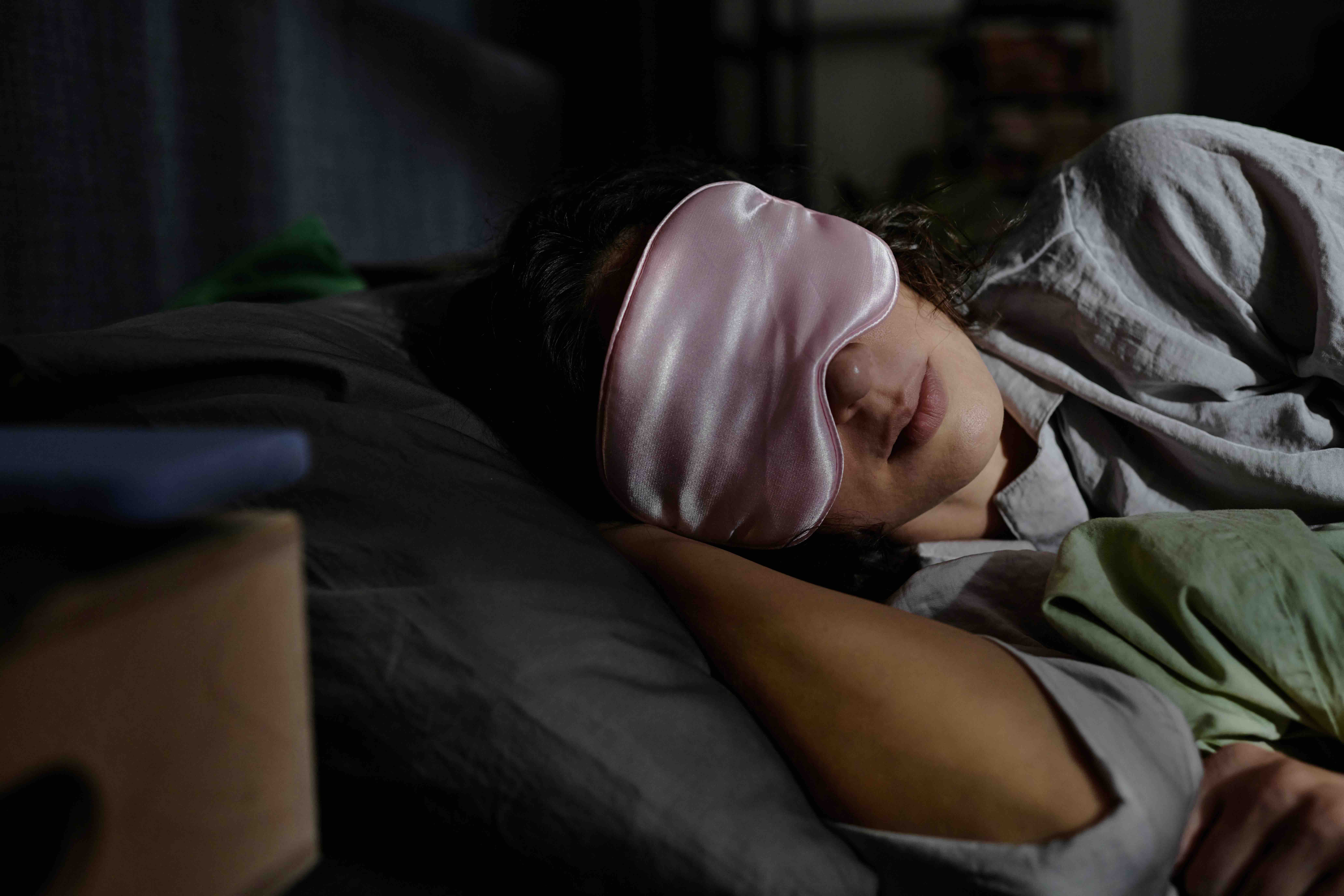
In the quiet of the night, our bodies are hard at work. While we sleep, our systems undergo a complex restorative process that regulates everything from cognitive function to cardiovascular health. However, as recent research suggests, the “when” and “how” of our sleep are just as critical as the “how long.”
The Body Clock and Heart Health
A recent study highlighted by NBC News suggests a fascinating link between our circadian rhythm—whether we are night owls or early birds—and our heart health. Interestingly, it isn’t just about staying up late. It’s about the misalignment between our internal body clock and our actual sleep schedule. When night owls are forced into early bird schedules, the resulting jet lag can lead to poor sleep hygiene and increased heart health risks.
Dr. Phyllis Zee, a leading expert in sleep medicine, emphasizes that sleep is a highly regulated neurological process. She notes that deep sleep (slow-wave sleep) is essential for clearing toxins from the brain and maintaining metabolic balance. Without it, the risk of long-term sleep deprivation and its associated health issues increases significantly.
Optimizing Your Acoustic Environment
To achieve this restorative state, the environment must be conducive to uninterrupted rest. According to a study reported by NBC Washington, our sleep profiles—the habits and environments we cultivate—directly impact our long-term cognition. One of the most common disrupters to a healthy sleep profile is inconsistent environmental noise.
Sudden sounds—a car door slamming or a distant siren—can trigger the brain’s alerting mechanism. This shifts us out of deep sleep and into a lighter, less restorative stage. This is where the principles of acoustic comfort become vital. While we often think of silence as the goal, a perfectly silent room actually makes every small sound more jarring.
By introducing a consistent, non-intrusive background sound—a process known as sound masking—we can fill the acoustic environment. This raises the ambient background sound levels, making erratic noises less perceptible to the sleeping brain and helping to improve sleep quality.
Case Study: Sound Masking in Adelaide Clinical Sleep Centres
The efficacy of this approach is perhaps most evident in clinical settings. In a project involving a specialised sleep study centre, Soundmask addressed a common paradox: patients were struggling to sleep during diagnostic trials due to noises like tea making, footsteps and staff talking.
By installing a Soundmask system, the centre created a uniform acoustic environment throughout the patient suites. The result? A significant improvement in sleep data quality.
Whether in a clinical trial or your own bedroom, the goal is the same: to protect the sanctuary of sleep. By understanding our biological clocks and managing our acoustic environments, we can ensure our sleep is as restorative as possible.