
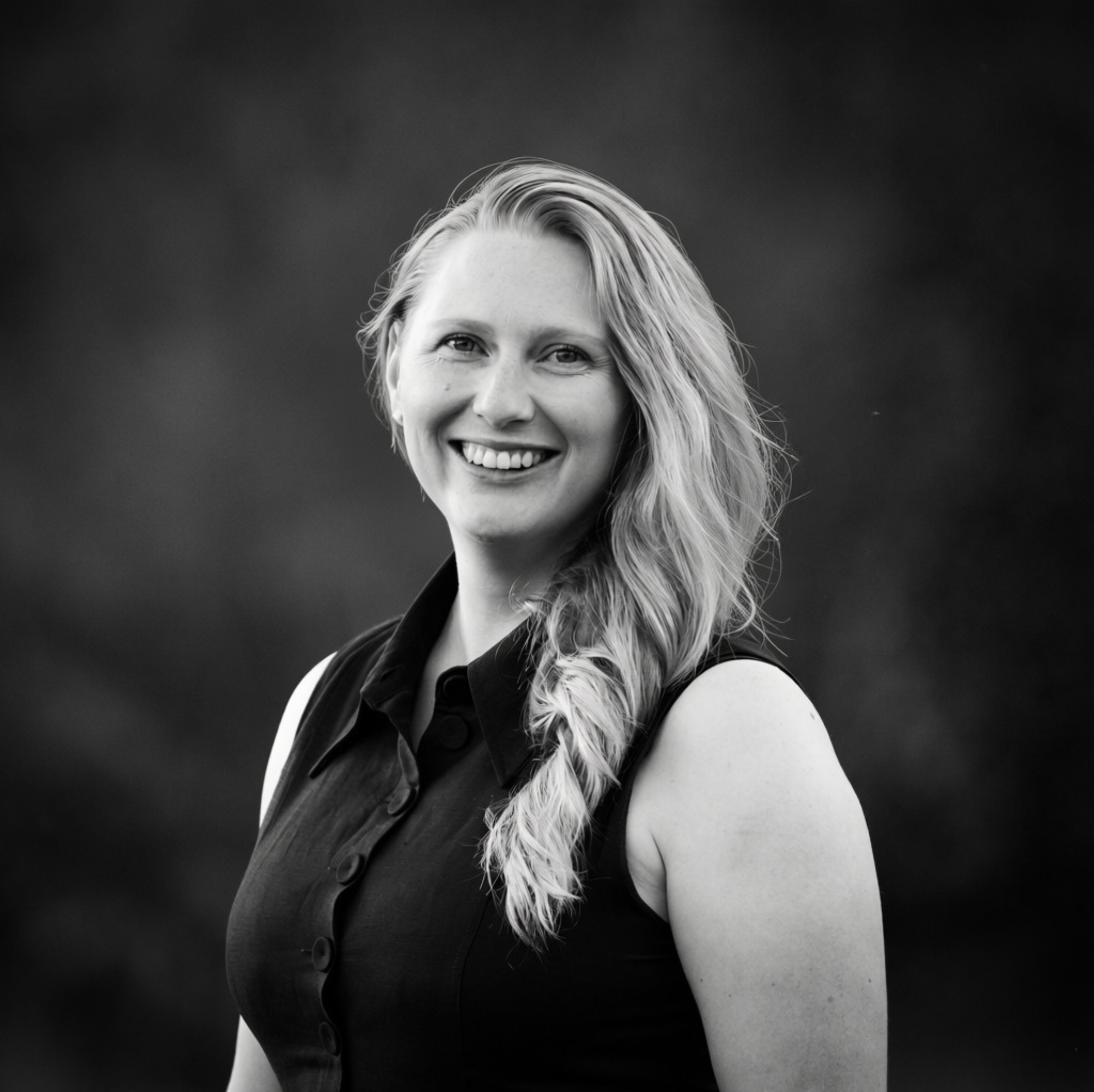
Today we’re catching up with Jenna MacDonald, senior acoustic consultant from Marshall Day in Adelaide with almost a decade experience in the industry. At Marshall Day she leads the South Australian team and the firm’s building acoustics work in the state. Jenna studied Mechanical Engineering (Honours) at the University of Adelaide, then started her career in Sydney. She climbed rapidly from graduate to consultant, reaching her senior title within five years. Along the way she has led acoustic design on some of Australia’s largest projects including the Sydney Football Stadium, New Maitland Hospital, Parramatta Square, Australian Bragg Centre and the Adelaide Central Market Arcade redevelopment.
Quality has been a constant thread in Jenna’s career. She has driven quality assurance in every role she has held. In each one she has helped shape the templating systems, standard details and calculation tools her colleagues use every day. Her influence extends into legislation, through her contributions to South Australian building standards and noise guidelines. She has also published multiple technical papers for national and international conferences, and she sits on the SA Division committee of the Australian Acoustical Society. Beyond her technical work, Jenna is a strong advocate for women in engineering. She mentors students and early-career professionals, and she is researching how emotional intelligence affects retention of women the profession. She won NAWIC’s 2022 Emerging Leader Award and was nominated for Engineers Australia’s 2024 Emerging Professional Engineer of the Year.
What’s the best part of being an acoustic consultant?
For me it’s truly the project variety. Acoustics is surprisingly a component of almost every building project you could possibly think of and more. From noise emission control of infrastructure, acoustic isolation of top secret rooms, fine tuning room acoustics of auditoriums, to even noise management to protect whale migration, sound is everywhere.
What’s the craziest situation you’ve faced onsite?
One of the many issues acoustic consultants consult on is vibration isolation and shielding of electromatic fields for incredible sensitive scientific and medical equipment. The level of stability these machines require is beyond anything a human can feel. However for one of these projects the site was located right on top of a rail line on both sides. Isolating this piece of equipment from the surround vibration and electromatic fields required an astronomical amount of concrete, walls meters in width, isolation systems, and intricate detailing around all supporting services to ensure the equipment’s operation. A truly impressive engineering feet.
Which job are you most proud of and why?
Some of the defence building projects I have worked on (specific jobs classified) because of the extensive detailing and coordination I have done with pretty much every single consulting discipline on the project as well as the architect. The acoustic design problems solved in these situations where there are multiple conflicting requirements have been the most challenging and therefore most satisfying work I have done.
What advice would you give to aspiring acoustic consultants?
There is so much you can cover in acoustics, and as such most people as the go through their careers will specialise. However even if you have a clear favourite channel of acoustics you’d prefer to work in, early on you should try work across as much variety as possible as this knowledge and early experience will set the wide foundation from which you can build upon. And the wider your footing early on, typically the taller you can go more easily.
If you could take anyone (not family) living or deceased on a yearlong road trip, who would it be and why?
Probably Leonardo da Vinci. Just to take him around the world showing him all the technological advancements we have achieved since his time. I think it would be both thrilling and grounding to witness someone who was so heavily invested and intrigued by machines and inventions to see what came next, after his own contributions.
Thank you, Jenna, for sharing a little about yourself. You can follow us on LinkedIn so you never miss a post!