
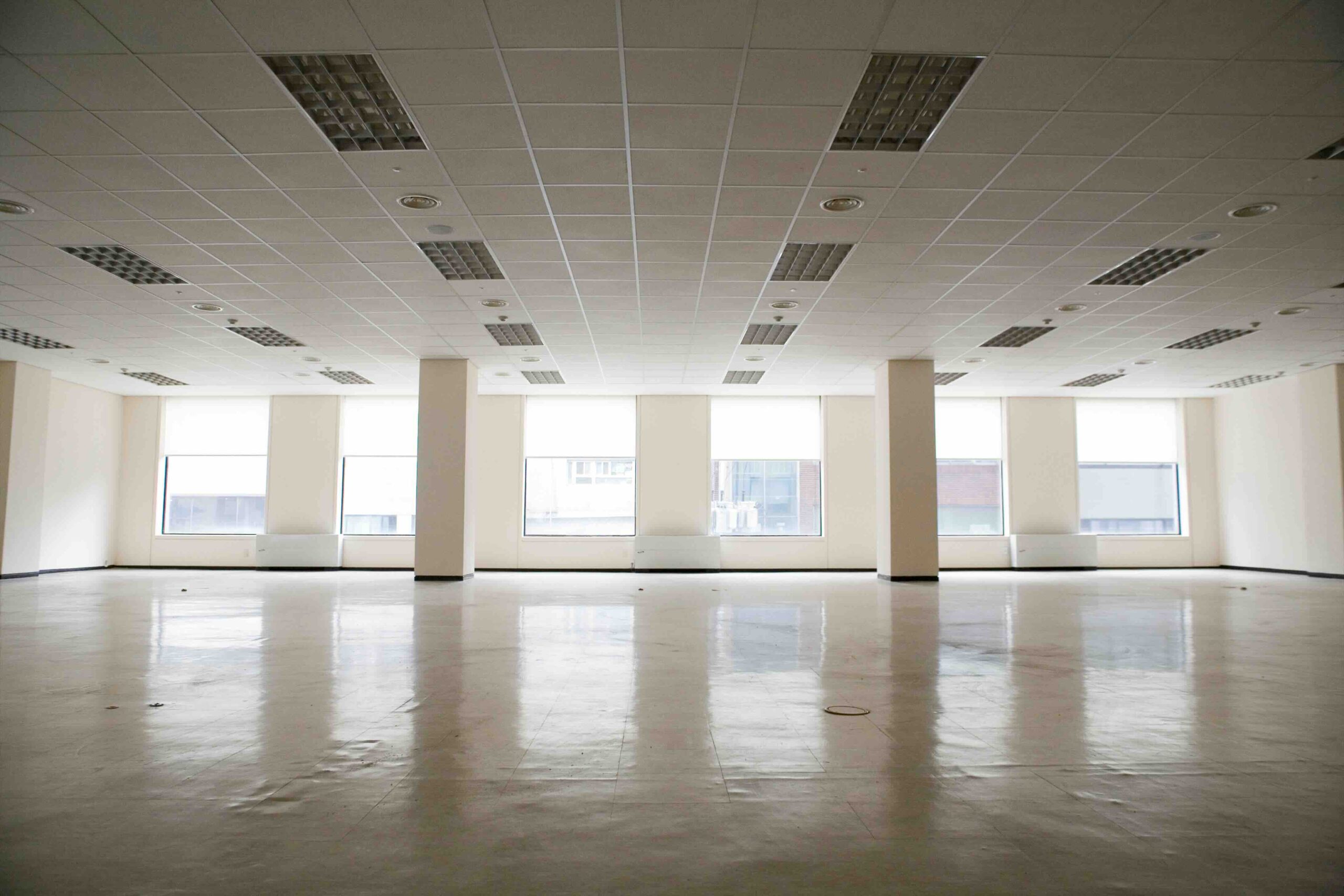
Melbourne faces a major property challenge. Commercial vacancy rates remain high. At the same time, we desperately need more housing.
A recent article by Build Australia highlights an innovative solution. Dr Usha Iyer-Raniga from RMIT University suggests repurposing our ageing, second-grade office buildings. This process is called adaptive reuse. It breathes new life into underutilised city spaces.
Why adaptive reuse?
Empty buildings lose asset value quickly. They can also attract unwanted social attention. Projects like “Make Room” on Little Bourke Street show what is possible. This project successfully transformed an old commercial building into transitional housing.
However, not every office fits a standard residential layout. Some structures suit alternative purposes better. Developers can convert these spaces into student accommodation, childcare centres, or aged care facilities.
Solving sound issues with retrofitted commercial acoustics
Commercial retrofits present unique physical challenges. Deep office floor plates limit natural light. Existing interior walls are often thin. When you convert open offices into residential apartments or medical clinics, privacy becomes an issue. Thickening walls reduces usable floor space. It also inflates construction costs significantly.
This is where advanced sound design saves the day. You do not need to rebuild every wall. Instead, smart developers use retrofitted commercial acoustics to manage sound transfer.
Implementing a Soundmask system solves these privacy headaches instantly. Our systems introduce a comfortable background sound similar to airflow. This sound can be tuned to mask most sounds, including human speech, traffic noise, and other intrusive noises. Importantly, it effectively masks conversations between adjacent rooms.
The ideal fix for medical conversions
Privacy is vital if a developer converts an office into a medical suites. Doctors must protect patient confidentiality at all costs. Thin office drywall allows sensitive healthcare conversations to drift into waiting areas and between suites and hallways.
A Soundmask system creates an immediate acoustic barrier. It ensures that health workers can comply with their auditory privacy obligations. Best of all, it requires zero structural demolition.
Adaptive reuse is a brilliant path forward for Australian cities. We can solve the housing crunch and revitalise our CBDs. We just need to make sure these new spaces sound as good as they look.