
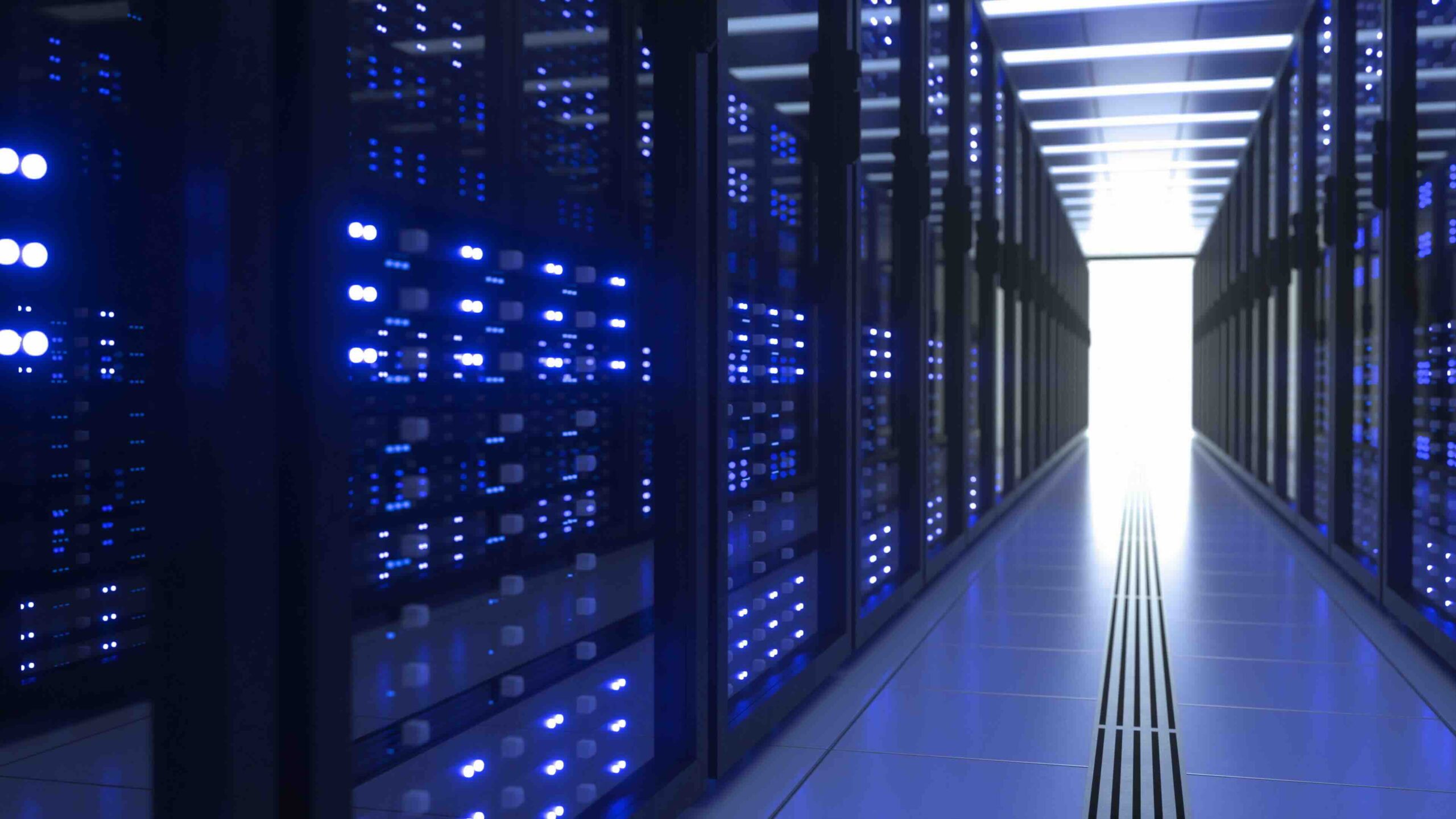
As the digital world expands, the physical infrastructure supporting it is introducing new sources of environmental noise. Recent reports, including a detailed analysis by the Environmental and Energy Study Institute (EESI), highlight a growing acoustic tension. This tension is between the rapid expansion of data center noise and the quiet of the communities that host them.
While we often think of the cloud as something somewhere else. But the reality is that industrial sized computer farm has to live somewhere. That “somewhere” is increasingly closer to urban residential areas.
The source of data center noise
Data centers are packed with thousands of servers that generate immense heat. To keep these systems from failing, massive cooling units, high-velocity fans, and industrial chillers run 24/7. When the local power grid is under strain, many facilities also rely on large diesel generators or gas turbines.
The result is a constant, low-frequency hum that can reach up to 96 decibels. That is, the volume of a jet engine. Often it’s located a hundred meters from office buildings and sometimes even residential backyards.
Health impacts of data center noise
In Australia, there are currently 270 data centres, the bulk concentrated in Sydney and Melbourne. While most remain in industrial areas where industrial noise is already present, this can change. This is especially so where residential apartments and in-fill projects increase to meet housing demand.
In the US, in places like Chandler, Arizona, or Prince William County, Virginia, this isn’t just background noise. The EESI article points out that while local ordinances often target one-off disturbances like loud parties, they are ill-equipped to handle the relentless, 24/7 nature of data center noise.
Chronic exposure to these sound levels has been linked to significant public health issues, including:
- Sleep Deprivation: The constant hum prevents deep sleep cycles, leading to cognitive fatigue.
- Physical Stress: Increased blood pressure, hypertension, and even vertigo have been reported by those living near high-density “server farms.”
- Property Devaluation: As noise complaints go unresolved, residents often feel forced to move, impacting local housing markets.
Mitigation strategies
Developers are beginning to explore mitigation strategies, such as acoustic shrouds, sound-deadening mats, and “immersion cooling” (which swaps noisy fans for liquid baths). However, as these facilities become more power-hungry to support AI and high-speed processing, the “noise footprint” remains a primary concern for urban planners.
Can sound masking help?
While industrial-scale soundproofing is essential at the source, we also need to consider the interior environments of nearby offices and homes. This is where sound masking provides a unique benefit.
Unlike white noise, professional sound masking systems are tuned to the frequencies of human speech and mechanical hums. By adding a consistent, unobtrusive background sound, the impact of jarring fluctuations or low-frequency drones of external industrial noise can be minimised.
For commercial buildings situated near data hubs, sound masking doesn’t just improve privacy. It restores the acoustic comfort that industrial expansion often takes away. As we build the infrastructure of the future, protecting the acoustic landscape must be part of the blueprint.